

Deep Dive 7: 3D + AI for Product Visualization
The Tiger, the Bartender, and Why 3D Is What Makes AI Useful

In Start Here, we introduced the basics of product visualization.
In Deep Dive 1, we covered CAD.
In Deep Dive 2, we looked at NVIDIA’s move into digital twins.
In Deep Dive 3, we explored packaging.
In Deep Dive 4, we mapped the systems that manage your work.
In Deep Dive 5, we focused on scalability.
And in Deep Dive 6, we looked at how 3D future-proofs companies for what’s next.
Now we’re getting to my favorite topic in this whole series.
The one question that always comes up.
“If AI is getting so good at generating product images, why will companies even need 3D?”
Let’s talk about it.
The Big Question
Everywhere you look, new startups are popping up claiming that all you need for product visualization now is AI.
Type a few prompts, and voilà…perfect product renders.
They look good. They really do.
And sure, sometimes they hallucinate a handle that doesn’t exist, or merge a cap with the bottle underneath it, but isn’t that just temporary? Won’t it get better and better until we won’t even need 3D models anymore?

That’s the question.
And here’s my answer.
Generative AI, on its own, will never be able to consistently, repeatably, and accurately produce pixel-perfect representations of real products.
Not today.
Not tomorrow.
Not in our lifetime.
I don’t say that lightly.
I’ve been hedging for years, waiting for the tech to prove me wrong and I am confidently saying that it won’t.
Why Generative AI Will Always Hallucinate
Here’s the thing most people outside this world don’t understand:
Hallucination isn’t a glitch in AI…it’s the engine.
That’s literally what it does.
It’s designed to predict what’s likely, not to know what’s true.
So yes, AI will get better. It’ll get faster. It’ll get more impressive in demos.
But it will always be fundamentally uncertain.
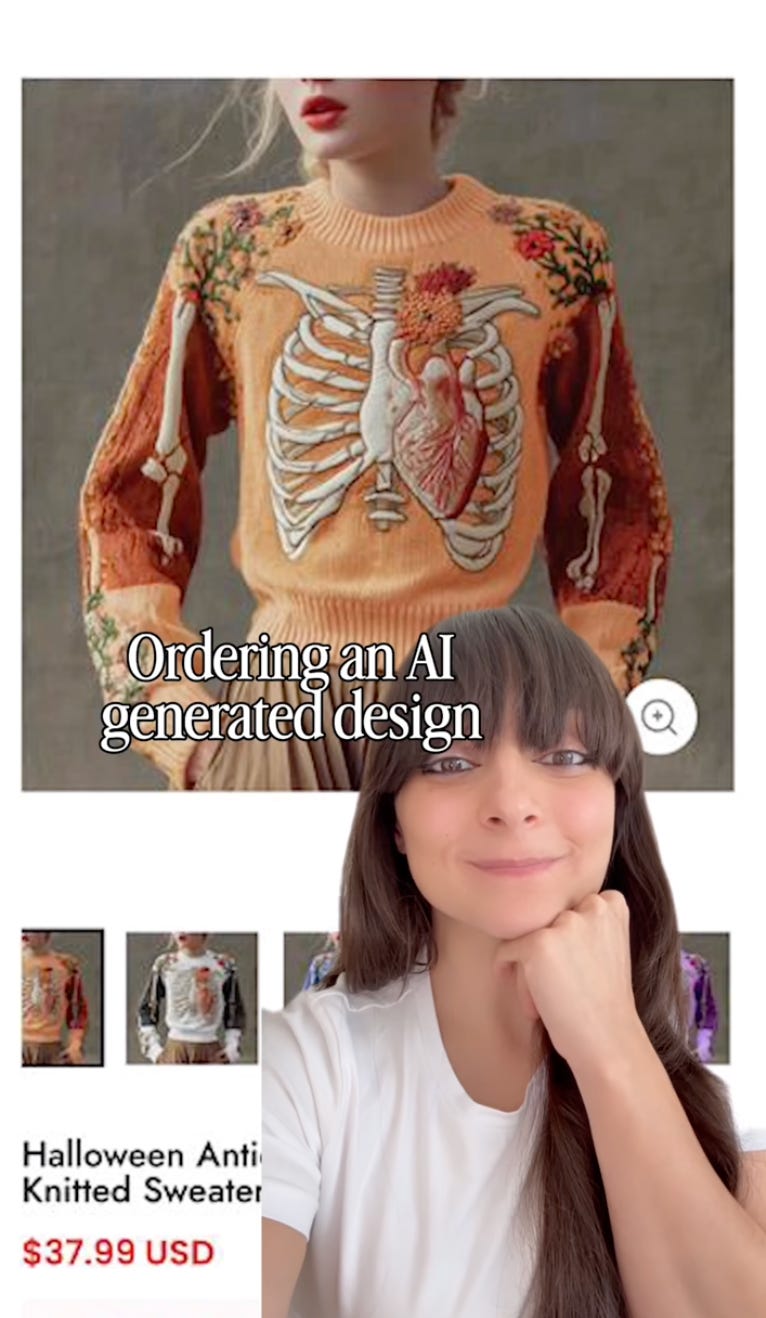
It might make a product look 98% correct, until it randomly adds a morphed label that can’t exist or changes the color of the cap in frame 17.
And in product visualization, that 2% is everything.
Because the 2% that’s wrong? That’s the 2% that gets your brand sued
Why Companies Can’t Risk It
Here’s what most AI evangelists on LinkedIn don’t realize:
the people building those flashy demos have never worked inside a brand’s production pipeline.
They’ve never dealt with:
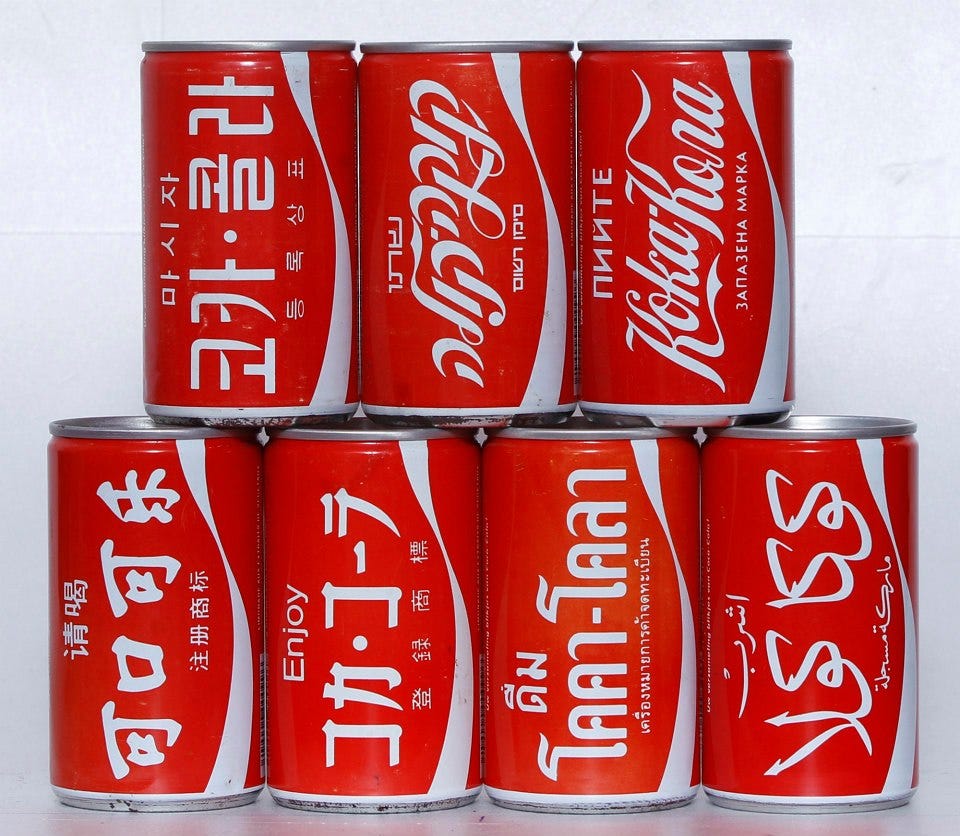
Regional label requirements
Legal disclaimers that vary by market
Government regulations on product representation
The sheer brand risk of misrepresenting what something looks like
If a company publishes a hallucinated version of their product…something off-model, inaccurate, or inconsistent with packaging laws…that’s not a PR problem. That’s a legal one.
But even worse? It’s a trust problem.
If customers start noticing that your product looks different in ads than it does in person, you’ve lost them.
And for most brands, trust is everything.
That’s why this space doesn’t move as fast as tech Twitter thinks it should.
Because it can’t.
The Tiger Story
Let me tell you a quick story.
When I was in grad school at SCAD, I bartended at a place in downtown Savannah called Churchill’s Pub. One night, the news was running a story with a chryon that read:
“Crazed Tiger Attacks Man.”
It was about a guy who had jumped into the tiger enclosure at the zoo and the tiger attacked him.
One of the servers looked up at the TV and said:
“That’s not a crazed tiger. That’s just a tiger doing what tigers do.
If it was reading a book or writing poetry or something, that would be a crazed tiger.”
I don’t even remember that guy’s name, but that line has stuck with me for twenty years.
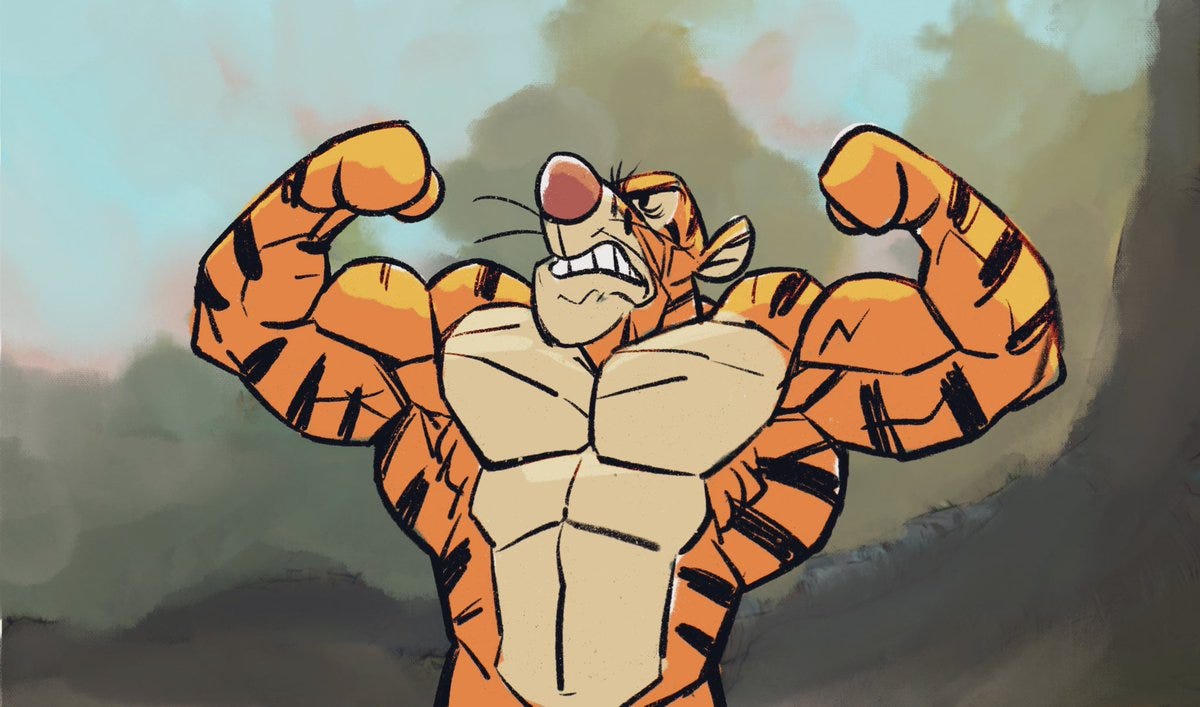
Because asking Generative AI to not hallucinate, to give you a perfectly accurate, regulation-safe, pixel-perfect image of a product, is like asking a tiger to not attack the guy. That’s just what tigers do.
And taking data and hallucinating details based on that data isn’t a fault of AI.
That’s just what it does.
Why 3D Is the Only Reliable Foundation
At some point, every company is going to realize this: you can’t scale accuracy without 3D.
If you need to show how light refracts through a bottle, how a logo bends around a curved surface, or how materials interact under different lighting conditions…that’s not a prompt problem. That’s physics.
And the only way to guarantee consistency across every render, every animation, every market, is to anchor everything to a photorealistic 3D version of the product (often referred to as a digital twin.)
AI can generate around it.
AI can extend it.
AI can remix it.
But it can’t replace it.
The Bold Claim
I used to say that 3D was “AI-proof.”
That even if AI took over everything, 3D artists would be fine.
Now I’ll take it a step further.
3D isn’t just AI-proof.
3D is the thing that makes AI valuable to product companies.
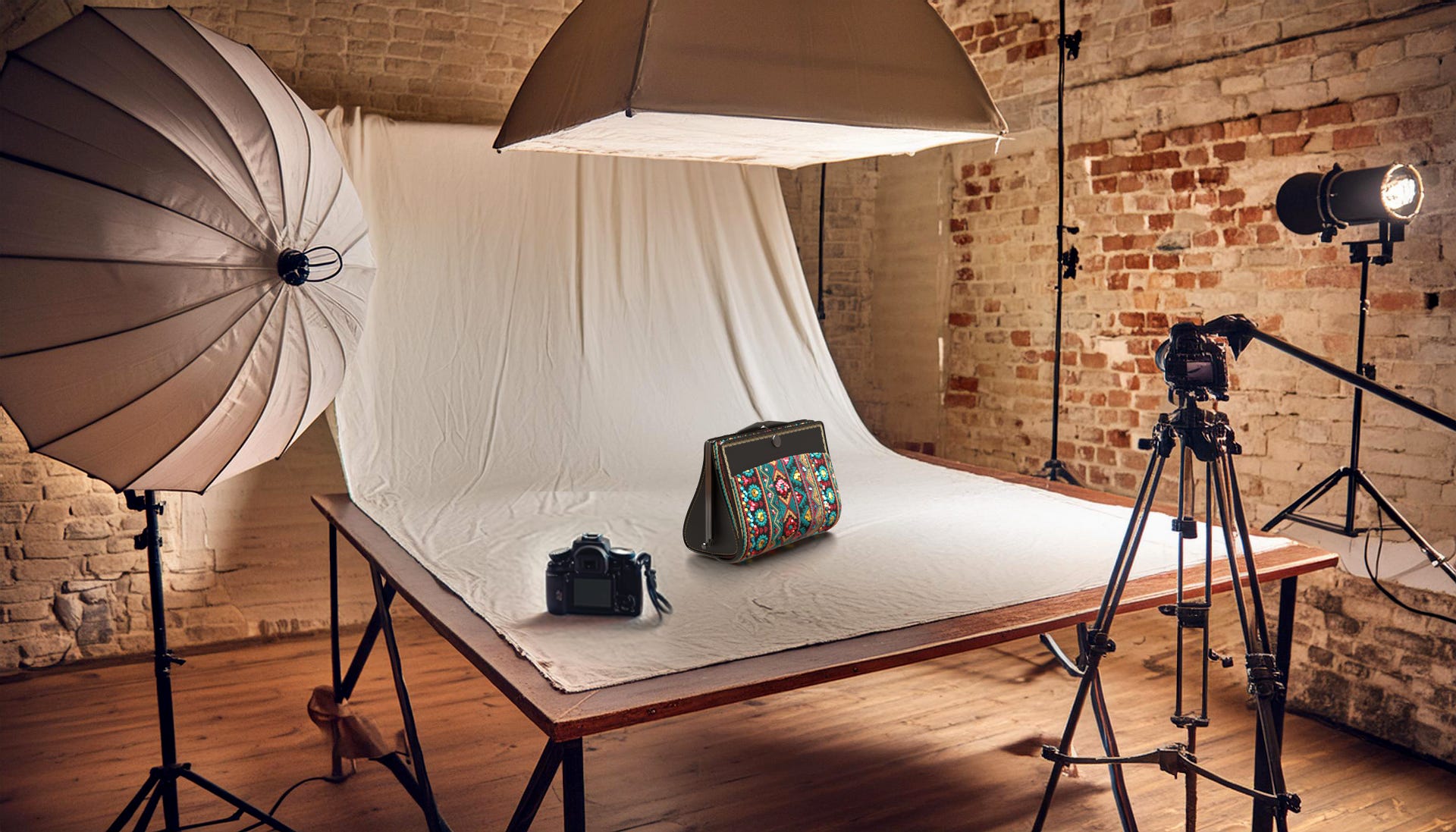
Without it, AI can’t do anything more you concept ideas.
With it, AI becomes the bridge between creative vision and scalable production.
3D is the source of truth that makes all of it (the renders, the variants, the automation, the personalization) actually possible.
Wrapping Up
The AI hype cycle will continue to spin.
We’ll see more tools, more demos, and more companies claiming they’ve “solved” product visualization.
But at the end of the day, every pixel that represents a product needs to be grounded in something real.
Something measurable, reliable, and repeatable.
And that’s 3D.
Because the tiger isn’t crazed.
It’s just being a tiger.
And GenAI isn’t broken when it adds additional details.
It’s just doing what it does.
Which is precisely why 3D will always matter.
The 3D Artist Community
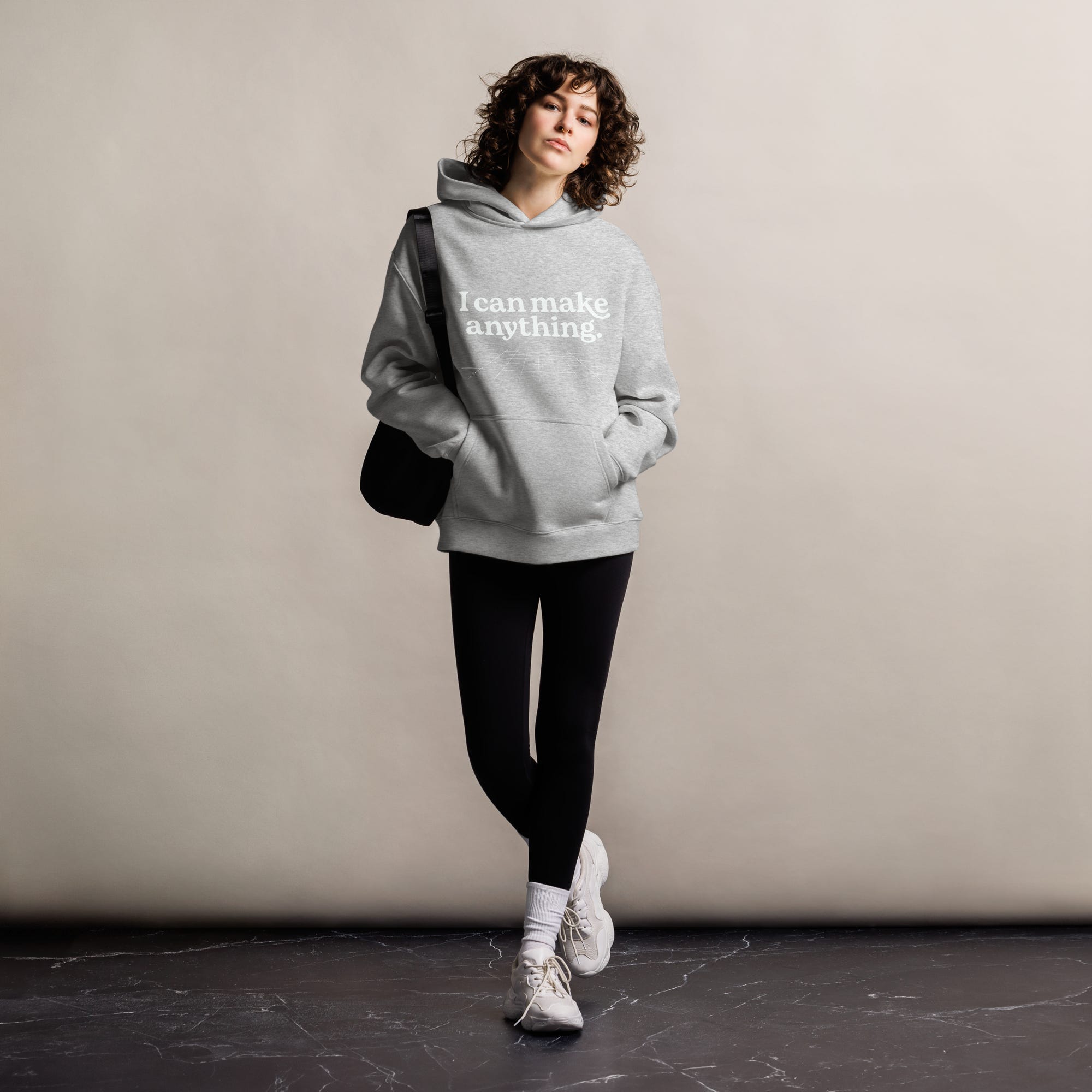
3D Merch is here and we have a new hoodie!
3D News of the Week
This is exactly why the fashion industry shouldn’t rely on AI-led design workflows - LinkedIn
Get This Pack of Over 200 Ghibli-Style Foliage Assets for Blender - 80.lv
Plain English with Derek Thompson on the state of the U.S. film industry - Apple Podcasts
Phil Tippett On His Studio’s Use Of Generative AI: ‘Like Having A Dog, It Trains You As Much As You Train It’ - Cartoon Brew
Amazing Maya & ZBrush Portrait of a Renowned Composer Based on a Painting - 80.lv
3D Tutorial

3D Job Spreadsheet
Link to Google Doc With A TON of Jobs in Animation (not operated by me)
Hello! Michael Tanzillo here. I am the Head of Technical Artists with the Substance 3D team at Adobe. Previously, I was a Senior Artist on animated films at Blue Sky Studios/Disney with credits including three Ice Age movies, two Rios, Peanuts, Ferdinand, Spies in Disguise, and Epic.
In addition to his work as an artist, I am the Co-Author of the book Lighting for Animation: The Visual Art of Storytelling and the Co-Founder of The Academy of Animated Art, an online school that has helped hundreds of artists around the world begin careers in Animation, Visual Effects, and Digital Imaging. I also created The 3D Artist Community on Skool and this newsletter.
www.michaeltanzillo.com
Free 3D Tutorials on the Michael Tanzillo YouTube Channel
Thanks for reading The 3D Artist! Subscribe for free to receive new posts and support my work. All views and opinions are my own!